الاعلام والتنمية
أخر الأخبار
ميثاق الشرف الإعلامي للطفل في عُمان 2024: خطوة رائدة لتعزيز حماية حقوق الطفل في الإعلام العربي

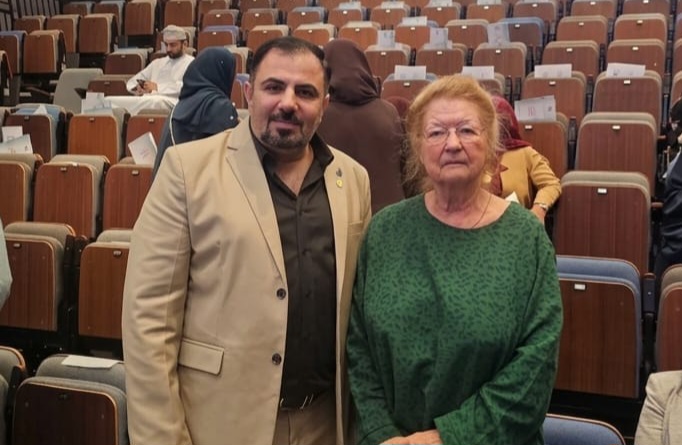
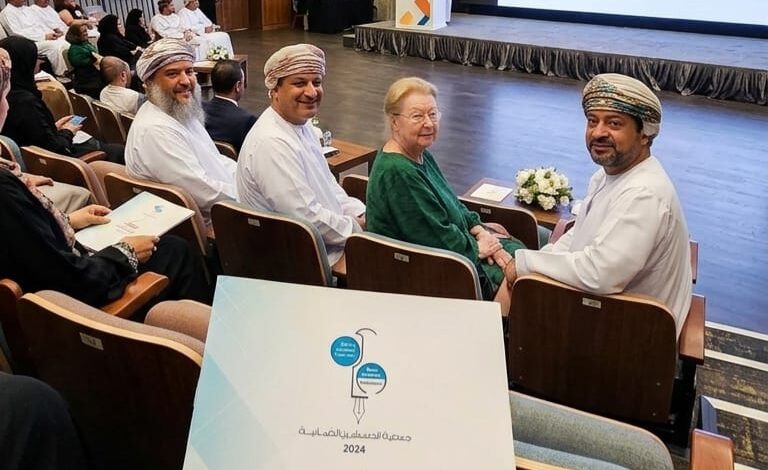
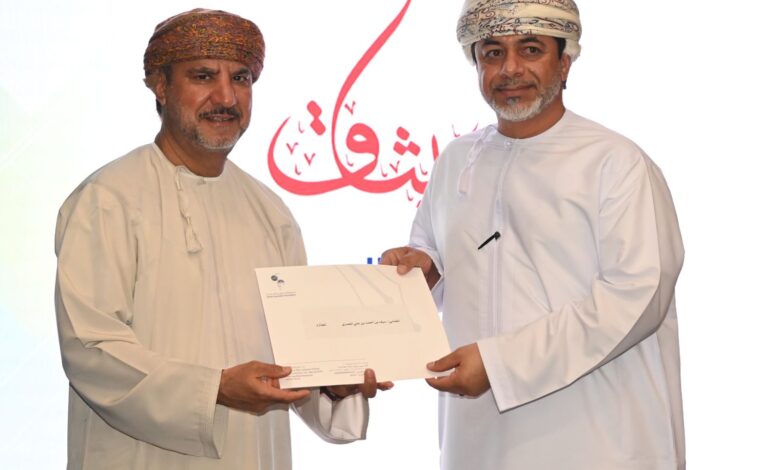
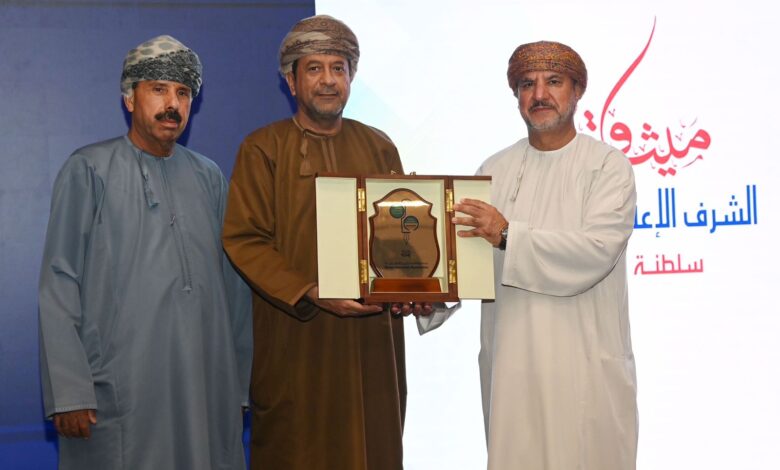
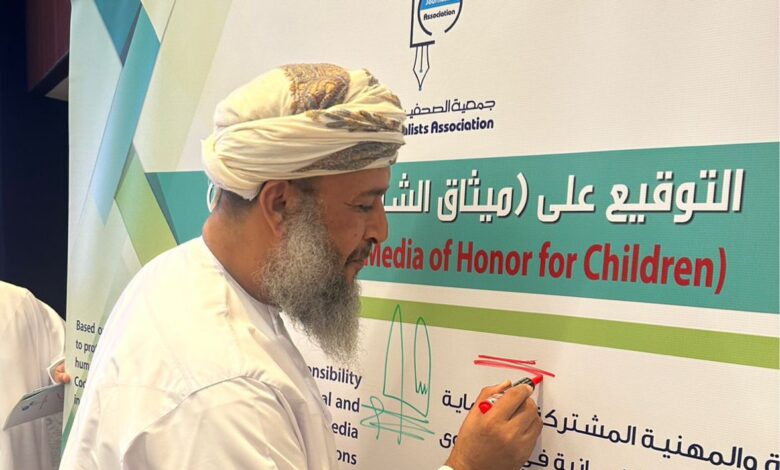
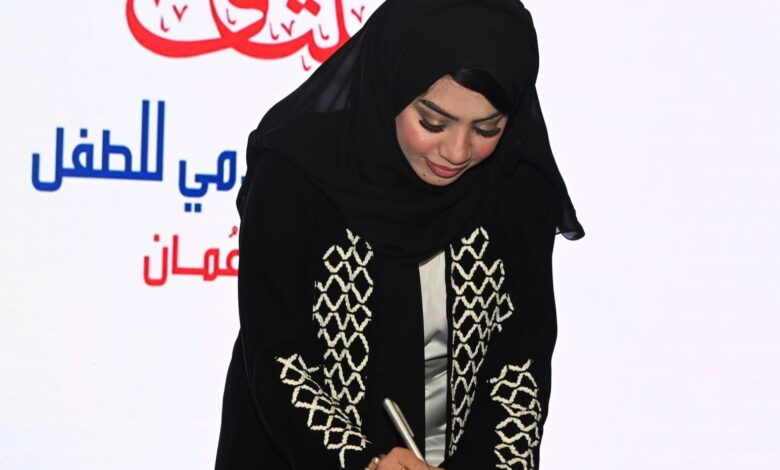
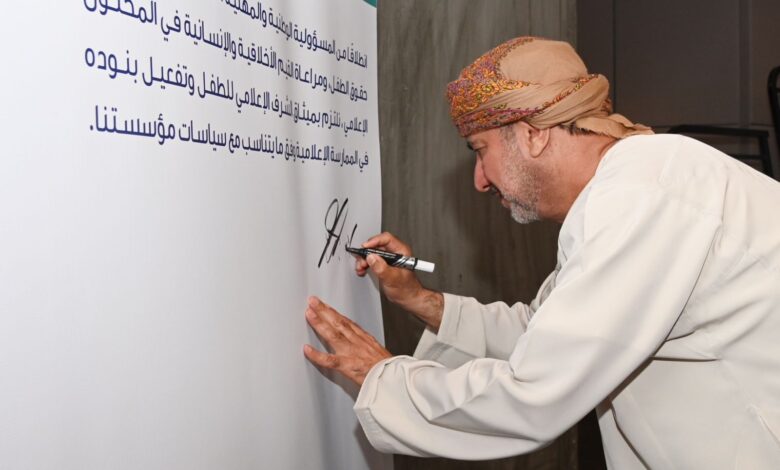
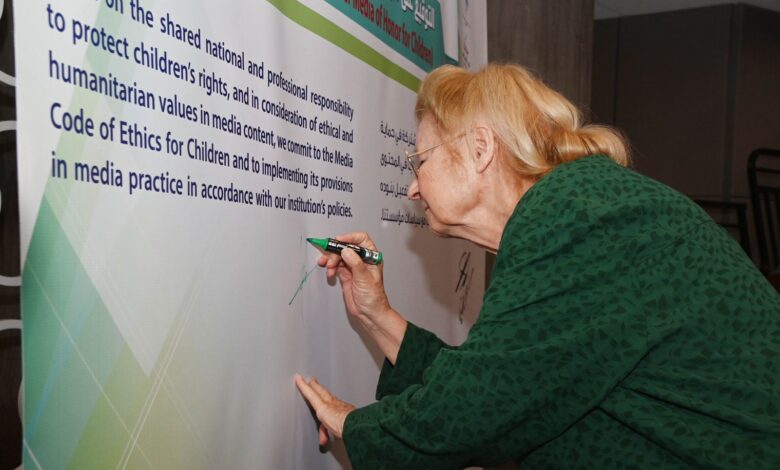
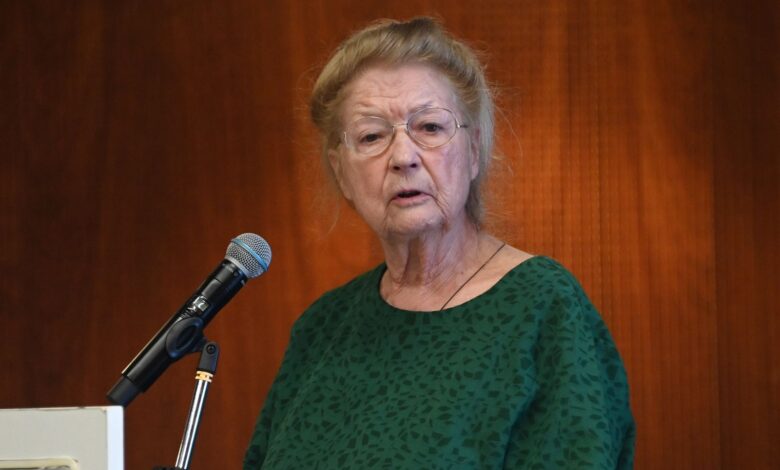
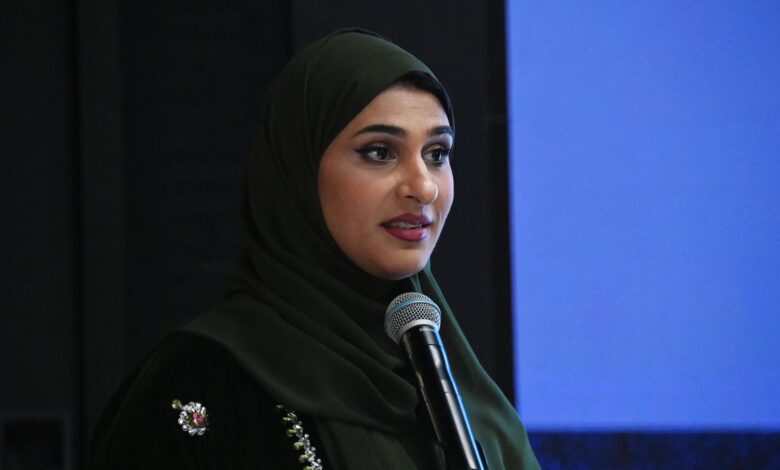
- في زمن تتسارع فيه وسائل الإعلام وتتشابك فيه المنصات الرقمية، تبرز الحاجة الملحّة إلى ضوابط أخلاقية تحكم الأداء الإعلامي، خاصة حين يتعلق الأمر بالأطفال، تلك الفئة الأكثر هشاشة والأشد حاجة للحماية والرعاية. ومن هنا، تأتي أهمية “ميثاق الشرف الإعلامي للطفل” الذي أطلقته جمعية الصحفيين العُمانية في نسخته لعام 2024، كخطوة نوعية تعكس عمق الوعي الوطني في سلطنة عُمان بأهمية صون حقوق الطفل ضمن بيئة إعلامية مسؤولة. هذا الميثاق لا يمكن قراءته بمعزل عن السياق العام الذي تعيشه عُمان، حيث يحظى الإنسان—وفي مقدّمته الطفل—بمكانة رفيعة في ظل التوجيهات السامية لحضرة صاحب الجلالة السلطان هيثم بن طارق، الذي يرسّخ نهجًا يقوم على بناء مجتمع متوازن يحترم الكرامة الإنسانية ويضعها في صلب أولوياته. ومن هذا المنطلق، يشكّل الميثاق ترجمة عملية لهذه الرؤية، عبر تحويل المبادئ إلى ممارسات إعلامية مسؤولة. وقد حظي إطلاق الميثاق بحضور نوعي يعكس أهميته، حيث شاركت نخبة من الصحفيين والإعلاميين، إلى جانب ممثلين عن جمعية المرأة العُمانية، فضلًا عن وفد يضم ممثلين عن الاتحاد الدولي للصحفيين، في مشهد يؤكد أن قضايا الطفولة لم تعد شأنًا محليًا فحسب، بل أصبحت قضية عالمية تتطلب تضافر الجهود. الميثاق في جوهره ليس مجرد وثيقة تنظيمية، بل هو إعلان أخلاقي واضح بأن الإعلام مسؤول عن حماية الفئات الأضعف في المجتمع. فهو يضع إطارًا مهنيًا يضمن التعامل مع قضايا الأطفال بحساسية عالية، بعيدًا عن الإثارة أو الاستغلال، ويمنع تحويل معاناة الطفل إلى مادة إعلامية لتحقيق نسب مشاهدة أو مكاسب آنية. وقد نجحت عُمان في بناء منظومة متكاملة لحماية الطفل، تبدأ من التشريعات القانونية ولا تنتهي عند المبادرات المجتمعية. ويُعد قانون الطفل العُماني أحد أبرز هذه الركائز، إذ يوفّر حماية شاملة لحقوق الطفل ويضمن بيئة آمنة لنموه. وفي هذا السياق، تلعب اللجنة العُمانية لحقوق الإنسان دورًا مهمًا في متابعة تطبيق هذه القوانين وتعزيز الوعي المجتمعي بها. الميثاق الإعلامي يأتي ليكمل هذه المنظومة، حيث يحوّل النصوص القانونية إلى سلوك يومي داخل المؤسسات الإعلامية. فهو يضع خطوطًا واضحة تمنع نشر أي محتوى قد يعرّض الطفل للأذى، سواء من خلال كشف هويته في قضايا حساسة، أو استخدام صوره بشكل غير لائق، أو التلاعب بمعلوماته الشخصية. كما يشدد على أهمية تقديم محتوى إعلامي يعكس احتياجات الطفل وحقوقه بصورة إنسانية ومتوازنة، بعيدًا عن الصور النمطية. فالإعلام هنا يتحول من مجرد ناقل للأحداث إلى شريك في بناء وعي الطفل وتعزيز ثقته بنفسه، وهو دور لا يقل أهمية عن أي دور تربوي أو تعليمي. وفي جانب آخر، يبرز دور الإعلام في التوعية بمخاطر العنف والاستغلال، حيث يدعو الميثاق إلى معالجة هذه القضايا بأسلوب مهني يهدف إلى الحلول، لا إلى الإثارة. وهذا التحول في الخطاب الإعلامي يعكس نضجًا في فهم وظيفة الإعلام، ويؤكد أنه ليس أداة للضجيج، بل وسيلة للإصلاح والتأثير الإيجابي. كما يؤكد الميثاق على أهمية الشراكة بين المؤسسات الإعلامية والجهات الحكومية والمجتمعية، باعتبار أن حماية الطفل مسؤولية مشتركة. فنجاح هذه الجهود يتطلب تكامل الأدوار بين الإعلام والتعليم والأسرة، لضمان بناء جيل واعٍ وقادر على مواجهة تحديات العصر. التجربة العُمانية في هذا المجال تستحق الإشادة، ليس فقط لأنها وضعت إطارًا قانونيًا متقدمًا، بل لأنها نجحت في تحويل هذا الإطار إلى ثقافة مجتمعية. وهذا ما يجعل من الميثاق نموذجًا يمكن أن يُحتذى به في العالم العربي، الذي لا يزال بحاجة إلى مبادرات مماثلة تعيد التوازن بين حرية الإعلام ومسؤوليته الأخلاقية. إن تعميم هذه التجربة عربيًا لم يعد خيارًا، بل ضرورة، في ظل التحديات التي تفرضها البيئة الرقمية المفتوحة، حيث يمكن لأي محتوى غير مسؤول أن يترك آثارًا عميقة على الأطفال. ومن هنا، تبرز أهمية الاستفادة من النموذج العُماني كنقطة انطلاق نحو إعلام أكثر وعيًا وإنسانية. في المحصلة، يؤكد “ميثاق الشرف الإعلامي للطفل” أن حماية الطفل ليست مجرد التزام قانوني، بل مسؤولية أخلاقية ومجتمعية تتطلب وعيًا جماعيًا. ومع استمرار هذه الجهود، تثبت عُمان أن الإعلام يمكن أن يكون قوة بناء حقيقية، تساهم في حماية الأجيال وصناعة مستقبل أكثر توازنًا وعدالة.
- At a time when media platforms are rapidly evolving and digital ecosystems are increasingly interconnected, the need for ethical standards governing media practices has become more urgent than ever—especially when it comes to children, one of the most vulnerable groups in society. In this context, the “Child Media Code of Ethics,” launched by the Oman Journalists Association in its 2024 edition, represents a significant milestone reflecting Oman’s deep national awareness of the importance of safeguarding children’s rights within a responsible media environment. This code cannot be viewed in isolation from the broader national framework in Oman, where human dignity—particularly that of children—holds a central place under the wise leadership of His Majesty Sultan Haitham bin Tarik. His vision consistently emphasizes building a balanced society grounded in human values and social justice. Within this context, the code serves as a practical extension of this vision, translating principles into actionable media practices. The launch of the code witnessed a distinguished attendance that underscores its significance, bringing together leading journalists and media professionals, alongside representatives from the Omani Women’s Association, as well as a delegation from the International Federation of Journalists. This gathering reflects the growing recognition that child protection is no longer merely a local concern, but a global responsibility requiring collective effort. At its core, the code is not just a regulatory document, but a clear ethical declaration that media institutions carry a responsibility to protect the most vulnerable members of society. It establishes a professional framework ensuring that children’s issues are handled with sensitivity and care, far from sensationalism or exploitation, and prohibits turning children’s suffering into content for ratings or commercial gain. Oman has made notable progress in building a comprehensive child protection system, starting from robust legal frameworks and extending to community awareness initiatives. The Omani Child Law stands out as a cornerstone in this system, providing comprehensive protection for children’s rights and ensuring a safe environment for their development. In parallel, the Oman Human Rights Commission plays a vital role in monitoring the implementation of these laws and promoting awareness of human rights, including those of children. The media code complements this framework by transforming legal principles into daily professional conduct within media institutions. It outlines clear boundaries, preventing the publication or broadcast of any content that could harm a child—whether by revealing identities in sensitive cases, misusing images, or manipulating personal information. Furthermore, the code emphasizes the importance of producing balanced, humane media content that reflects children’s needs and rights without resorting to stereotypes or superficial narratives. In this regard, media shifts from being a mere transmitter of events to becoming an active partner in shaping children’s awareness, strengthening their self-confidence, and supporting their intellectual and emotional growth. Another key dimension is the media’s role in raising awareness about violence, exploitation, and neglect. The code calls for addressing such issues through professional approaches aimed at solutions rather than sensationalism. This shift in discourse reflects a more mature understanding of media responsibility, positioning it as a tool for reform and positive influence rather than noise and exaggeration. The code also highlights the importance of partnerships between media institutions and governmental and community entities, recognizing that child protection is a shared responsibility. Achieving meaningful impact requires coordination among media, education systems, families, and policymakers to build a generation that is aware, empowered, and resilient. Oman’s experience in this field deserves recognition—not only for establishing an advanced legal framework but also for successfully embedding these principles into societal culture. This makes the Child Media Code of Ethics a model that can inspire the wider Arab world, where similar initiatives are still needed to strike a balance between media freedom and ethical responsibility. Expanding this model across the Arab region is no longer optional, but essential in light of the challenges posed by the open digital environment, where irresponsible content can have profound effects on children. Oman’s approach offers a practical starting point for building a more conscious, humane media landscape. In conclusion, the “Child Media Code of Ethics” reinforces the idea that protecting children is not merely a legal obligation, but a moral and societal duty that requires collective awareness and commitment. Through such initiatives, Oman continues to demonstrate that media can be a powerful force for good—protecting future generations and contributing to a more balanced and just society.