تقارير وتحقيقات
أخر الأخبار
الهيدروجين الجيولوجي في عُمان.. ثروة طبيعية واعدة ما زالت في مرحلة البحث العلمي

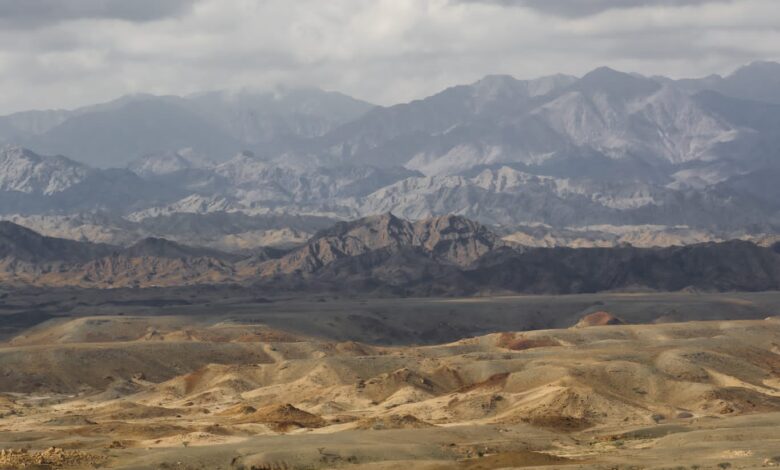
- يشهد العالم في السنوات الأخيرة سباقاً متسارعاً نحو البحث عن مصادر طاقة جديدة ومستدامة قادرة على تلبية احتياجات المستقبل وتقليل الاعتماد على الوقود الأحفوري التقليدي. وفي هذا السياق برز الهيدروجين الجيولوجي، المعروف أيضاً باسم الهيدروجين الطبيعي، كأحد أكثر المجالات العلمية الواعدة التي تستقطب اهتمام الباحثين والحكومات والشركات المتخصصة في قطاع الطاقة حول العالم. وتحظى سلطنة عُمان بمكانة مميزة ضمن الدول المرشحة للعب دور مهم في هذا المجال، نظراً لما تمتلكه من تكوينات جيولوجية فريدة على المستوى العالمي، وفي مقدمتها تكوينات الأوفيوليت العُمانية، وخاصة أوفيوليت سمائل الذي يُعد من أكبر وأشهر التكوينات الصخرية المدروسة عالمياً. وقد دفعت هذه المقومات الطبيعية العديد من المؤسسات البحثية والعلمية إلى دراسة احتمالات وجود تراكمات للهيدروجين الطبيعي داخل هذه التكوينات الجيولوجية. وفي ظل الاهتمام المتزايد بهذا الملف، أصدرت وزارة الطاقة والمعادن في سلطنة عُمان توضيحات مهمة أكدت فيها أن الهيدروجين الجيولوجي ما زال في مرحلة الدراسات والأبحاث والتقييمات الفنية الأولية، وأن الحديث عن هذا المورد لا ينبغي أن يُفهم على أنه إعلان عن اكتشافات تجارية أو مشاريع إنتاج جاهزة للتنفيذ. وأكدت الوزارة أن جميع الأنشطة المرتبطة بالهيدروجين في السلطنة تخضع لأطر تنظيمية وفنية واضحة تهدف إلى ضمان سلامة العمليات وموثوقية البيانات وحماية الموارد الوطنية، مشيرة إلى أن أي انتقال مستقبلي من مرحلة البحث والاستكشاف إلى مراحل التطوير والاستثمار لن يتم إلا بعد استكمال الدراسات العلمية المعتمدة والحصول على النتائج الفنية اللازمة التي تؤكد جدوى تلك المشاريع. وتبرز أهمية هذا التوضيح في وقت تتزايد فيه التوقعات العالمية حول مستقبل الهيدروجين الطبيعي باعتباره مصدراً محتملاً للطاقة النظيفة. إلا أن الوزارة شددت على أن القطاع لم يصل حتى الآن إلى مرحلة الإنتاج أو التشغيل التجاري داخل سلطنة عُمان، كما لم يتم إصدار أي تراخيص تشغيلية أو تجارية لأي جهة بهدف إنتاج الهيدروجين الطبيعي. ومن الناحية العلمية، ما زالت آليات تكوّن الهيدروجين الطبيعي وانتقاله وتراكمه داخل الصخور والتكوينات الجيولوجية محل دراسة وبحث على المستوى الدولي. ويؤكد الخبراء أن هذا المجال لا يزال حديثاً نسبياً مقارنة بقطاعات الطاقة التقليدية، الأمر الذي يجعل النماذج العلمية والفرضيات المستخدمة في تقييمه تتطور باستمرار مع ظهور بيانات ودراسات جديدة. كما أوضحت وزارة الطاقة والمعادن أن الاهتمام العالمي المتزايد بالهيدروجين الجيولوجي لا يعني بالضرورة وجود فرص استثمارية جاهزة أو عوائد اقتصادية مؤكدة في الوقت الراهن. فقبل الوصول إلى أي استنتاجات تتعلق بالإمكانات الاقتصادية أو الجدوى التجارية، لا بد من تنفيذ برامج شاملة لجمع البيانات وإجراء الدراسات الجيولوجية والجيوكيميائية والفنية المتخصصة وتحليل نتائجها وفق المعايير العلمية المعتمدة. ويعكس هذا النهج حرص سلطنة عُمان على التعامل مع الموارد الطبيعية الجديدة بمنهجية علمية دقيقة تقوم على الحقائق والبيانات بدلاً من التوقعات غير المدعومة بالأدلة. كما ينسجم مع رؤية السلطنة في تطوير قطاع الطاقة وفق أسس مستدامة تراعي الجوانب البيئية والاقتصادية والعلمية في آن واحد. وتواصل عُمان خلال السنوات الماضية تعزيز مكانتها كمركز إقليمي وعالمي للطاقة النظيفة، حيث حققت خطوات متقدمة في مشاريع الهيدروجين الأخضر والطاقة المتجددة، مستفيدة من موقعها الجغرافي وإمكاناتها الطبيعية الكبيرة. ويأتي الاهتمام بالهيدروجين الجيولوجي ليشكل مساراً بحثياً إضافياً قد يفتح آفاقاً جديدة مستقبلاً إذا أثبتت الدراسات العلمية وجود موارد قابلة للتطوير والاستثمار. وفي ختام بيانها، جددت وزارة الطاقة والمعادن التزامها بتوفير المعلومات الدقيقة والموثوقة حول مختلف قطاعات الطاقة والمعادن، بما يسهم في تعزيز الفهم العلمي السليم لدى المجتمع ويدعم اتخاذ القرارات المبنية على الحقائق والأدلة العلمية. وبينما يستمر العالم في استكشاف بدائل الطاقة المستقبلية، تبقى سلطنة عُمان واحدة من الدول التي تمتلك مقومات جيولوجية واعدة تستحق الدراسة والبحث، مع التأكيد على أن الطريق نحو أي استثمار أو إنتاج تجاري للهيدروجين الجيولوجي لا يزال يمر عبر مراحل طويلة من البحث العلمي والتقييم الفني الدقيق.
- As the world accelerates its search for sustainable and low-carbon energy sources, geologic hydrogen—also known as natural hydrogen—has emerged as one of the most promising areas of scientific and industrial interest. Governments, researchers, and energy companies across the globe are increasingly exploring its potential as a future source of clean energy capable of supporting the global energy transition. The Sultanate of Oman is considered one of the countries with significant geological potential in this emerging field. This is largely due to its unique geological formations, particularly the Omani ophiolite complexes and, most notably, the Samail Ophiolite, which is recognized as one of the largest and most extensively studied ophiolite formations in the world. These geological characteristics have attracted growing scientific attention and have encouraged studies investigating the possibility of naturally occurring hydrogen accumulations within Oman’s subsurface formations. In light of the increasing public and scientific interest in this topic, Oman’s Ministry of Energy and Minerals recently issued an important clarification regarding the current status of geologic hydrogen activities in the Sultanate. The Ministry emphasized that geologic hydrogen remains in the early stages of scientific research and technical assessment and should not be interpreted as a confirmed commercial discovery or an immediately investable resource. According to the Ministry, all hydrogen-related activities in Oman are governed by established regulatory and technical frameworks designed to ensure operational integrity, reliable data collection, and the responsible management of national resources. Any future transition from research and exploration to development and investment phases will depend on the outcomes of approved studies and rigorous scientific and technical evaluations. The Ministry further clarified that the sector has not yet advanced to commercial production or operational stages within Oman. No operational or commercial licenses have been issued to any entity for natural hydrogen production activities in the Sultanate. This statement serves as an important reminder that scientific interest alone does not necessarily translate into immediate economic opportunities or commercial projects. From a scientific perspective, many aspects of geologic hydrogen remain under active investigation worldwide. Researchers continue to study the mechanisms responsible for its generation, migration, accumulation, and preservation within geological formations. As is common with emerging exploration sectors, scientific models, methodologies, and interpretations continue to evolve as new data becomes available and understanding improves. The Ministry also highlighted that the growing international interest in geologic hydrogen should not automatically be viewed as evidence of near-term investment opportunities. Before any conclusions can be drawn regarding commercial viability or economic potential, comprehensive geological, geochemical, and technical studies must be conducted. These investigations require extensive data collection programs, detailed analysis, and adherence to internationally recognized scientific standards. Oman’s approach reflects a commitment to evidence-based decision-making and responsible resource management. Rather than relying on speculation, the Sultanate is prioritizing scientific accuracy and careful evaluation to ensure that any future developments are supported by credible research and sound technical assessments. At the same time, Oman continues to strengthen its position as a regional hub for clean energy development. The country has already made significant progress in renewable energy projects and green hydrogen initiatives, leveraging its strategic location, natural resources, and long-term vision for sustainable economic growth. Geologic hydrogen represents an additional avenue of exploration that could potentially complement these efforts in the future if scientific studies confirm commercially viable resources. The Ministry of Energy and Minerals reaffirmed its commitment to providing accurate, transparent, and reliable information across the energy and minerals sectors. By promoting informed dialogue and supporting decisions based on science and evidence, the Ministry aims to ensure that public understanding keeps pace with developments in this rapidly evolving field. While the future potential of geologic hydrogen remains an exciting prospect, Oman’s current focus remains firmly on research, data acquisition, and scientific evaluation. As studies continue, the Sultanate’s unique geological environment may provide valuable insights into one of the most intriguing energy opportunities of the twenty-first century.